
Studio Albums
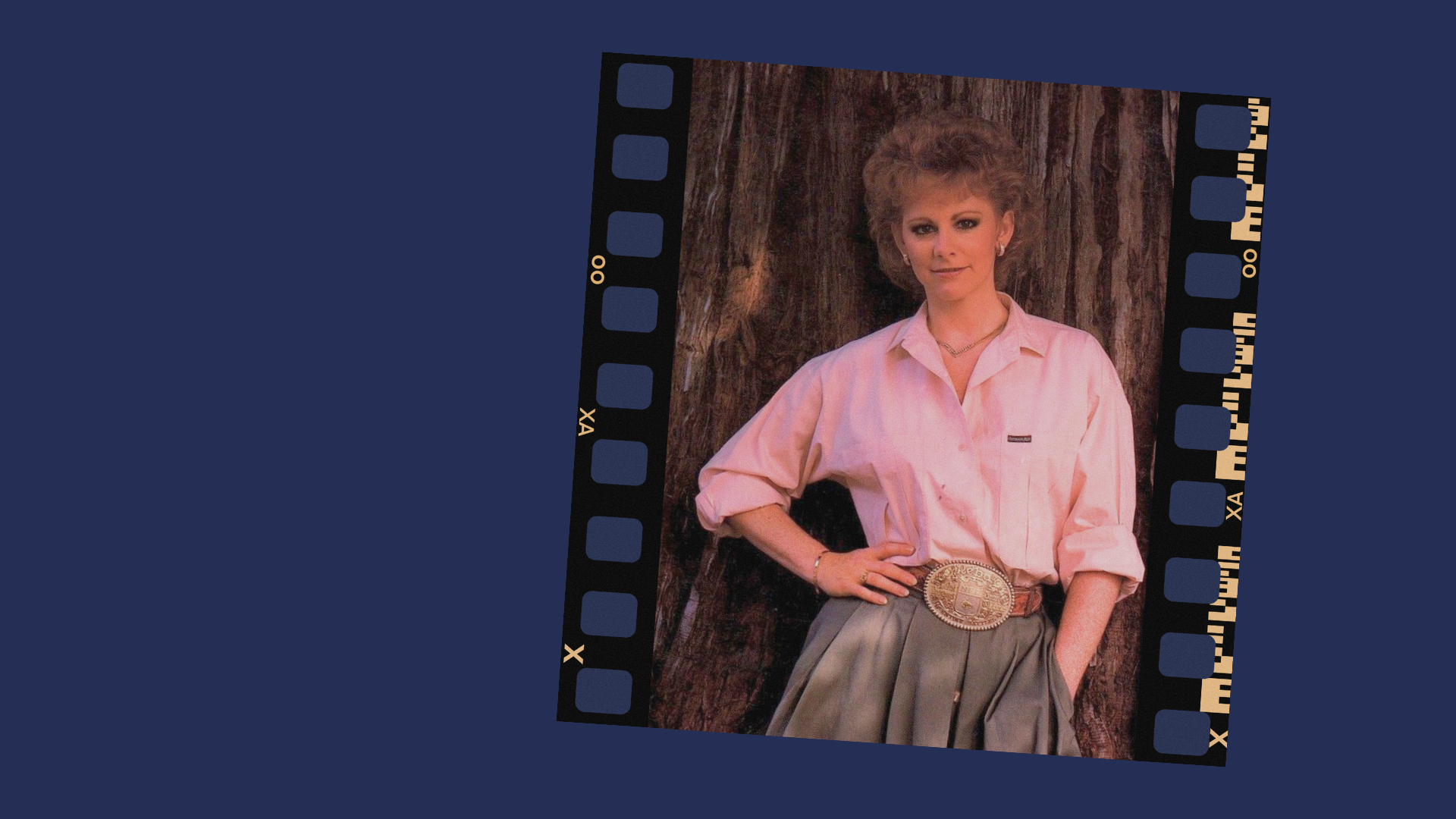
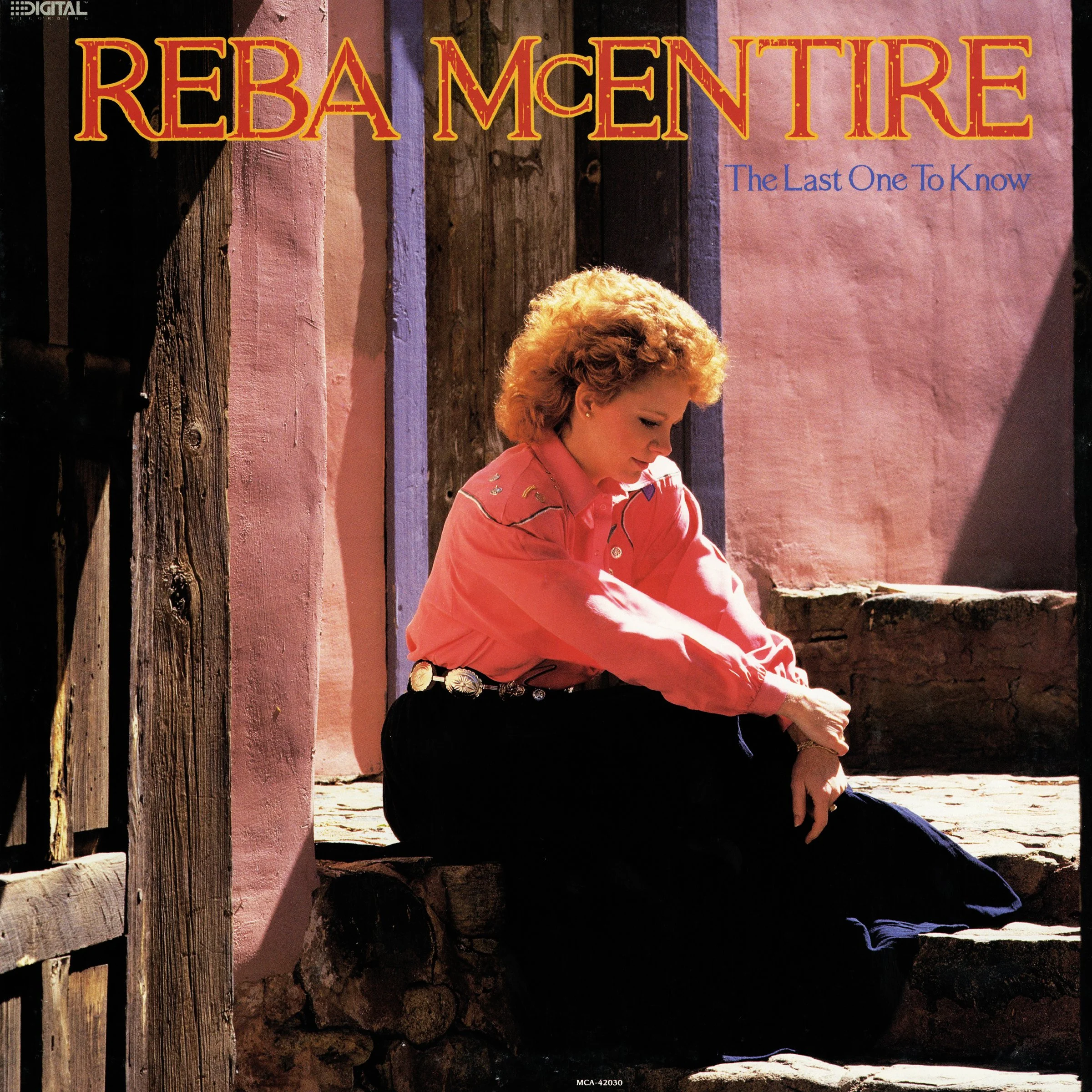
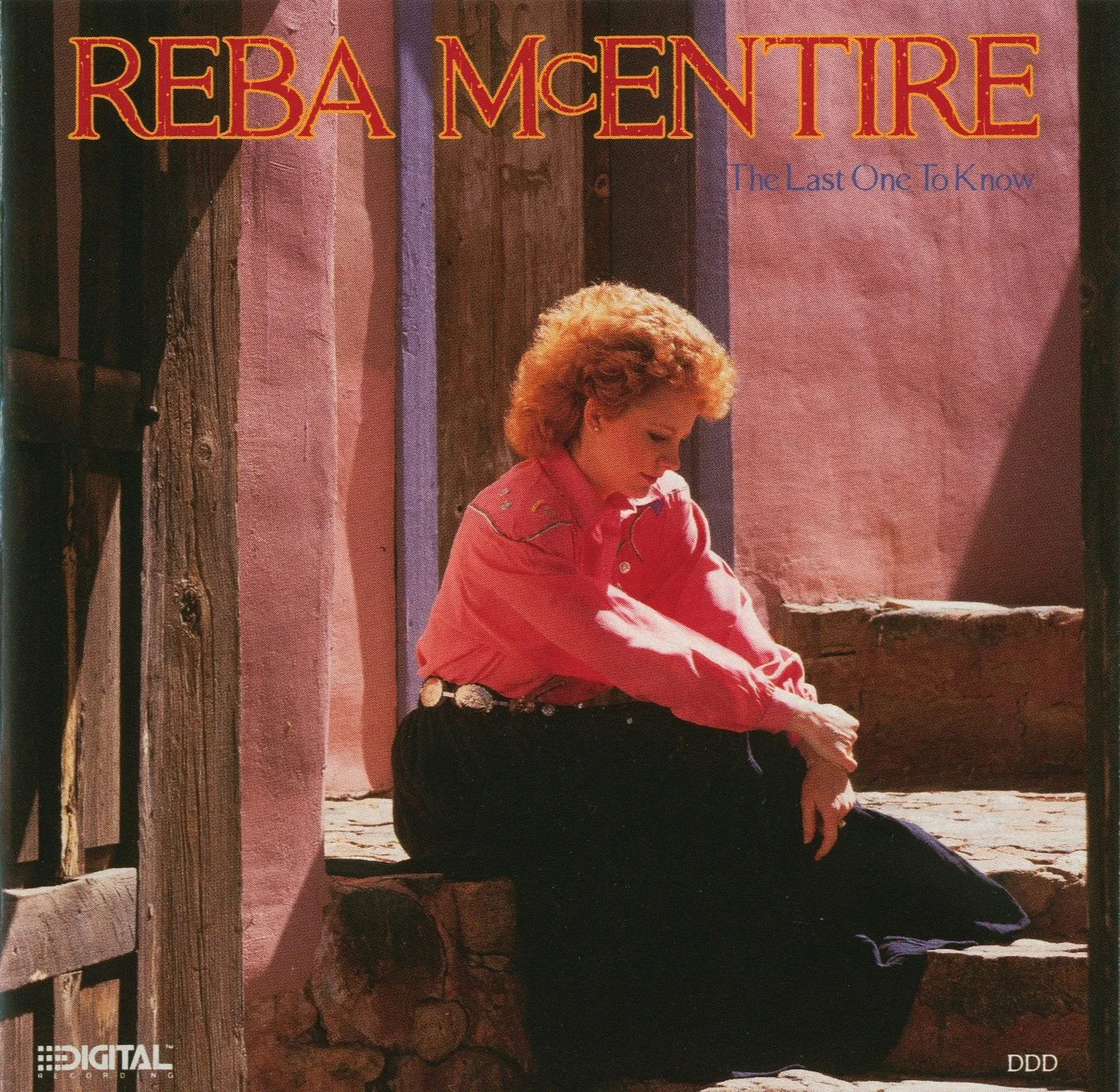
The Last One To Know
1987 - MCA Records
Details | Liner Notes/Production Credits | News | Videos | Audio | Photography | Music Videos | Biography | Track-By-Track | Single Covers | Marketing/Advertising
-
The Last One To Know
(Matraca Berg, Jane Mariash)The Girl Who Has Everything
(Larry Bastian, Dewayne Blackwell)Just Across The Rio Grande
(Don Cook, Chick Rain)sI Don’t Want To Mention Any Names
(Larry Cordle, Lisa Palas)Someone Else
(Pat Bunch, Mary Ann Kennedy, Pam Rose)What You Gonna Do About Me
(Michael P. Heeney, David Scarlett)I Don't Want To Be Alone
(Reba McEntire)The Stairs
(Pamela Brown, David Roberts)Love Will Find Its Way To You
(Dave Loggins, J.D. Martin)I Still Got The Love We Made
(Michael Garvin, Tom Shapiro, Chris Waters)



Released on September 7, 1987
Produced by Jimmy Bowen, Tony Brown, Reba McEntire
Canada Cassette: MCAC 42030
Canada Cassette: MCAMC 42030
Canada CD: MCAD-42030
Canada CD: MCAMD-42030
Canada LP: MCA-42030
UK Cassette: MCFC 3401
UK CD: DMCF 3401
UK LP: MCF 3401
US 8-Track: MCAT 42030
US BMG Music Service LP: MCA-42030
US BMG Music Service 8-Track: S163573
US Cassette: MCAC-42030
US CD Longbox: MCAD-42030
US CD: MCA-42030
US LP: MCA-42030
Merry Christmas to You is Reba McEntire's thirteenth studio album and her first dedicated to Christmas music. The album features McEntire's renditions of classic and traditional Christmas songs. Its exact release date is debated, with some sources citing September 1987 and others November of the same year. The album was reissued in 1993 with updated artwork and again in September 2017 on vinyl featuring the 1993 artwork to commemorate its 30th anniversary. Notably, this was the last officially sanctioned album to include Reba’s first and last names on the cover until the release of Best Of/20th Century Masters - The Millennium Collection in 2007.
Liner Notes/Production Credits
-
Produced by Jimmy Bowen for Lynwood Productions and Reba McEntire for Reba McEntire Productions.
Digitally recorded at Emerald Studio using the Mitsubishi X-850
32 track digital.
Recorded by Ron Treat. Overdubs recorded by Willie Pevear, Bob Bullock, and Steve Tillisch. Mixed by Chuck Ainlay at Soundstage Studios.
Second Engineers: Tim Kish, Mark J. Coddington, Russ Martin, Marty Williams
Mastered by Glenn Meadows at Mastertonics using the JVC Digital Audio Mastering System
Digital editing by Milan Bogdan.
CD master tape prepared by Glenn Meadows.
Project Coordinator: Jessie Noble
Musicians:
Drums: Russ Kunkel
Bass: Lee Sklar, David Hungate
Piano, DX-7: John Jarvis
Acoustic Guitar: Don Potter, Bill Cooley Electric Guitar: Richard Bennett, Fred Newell, Bill Cooley
Fiddle, Mandolin: Rickie Solomon Steel, Dobro: Donnie LaValley
Harmony Vocals: Reba McEntire, Suzy Hoskins
Art Direction: Simon Levy
Photography: McGuire
Design: Katherine DeVault Design
Styling: Ann Payne
Personal Management:
Bill Carter
1114 17th Ave. South, Suite 101
Nashville, TN 37212Bookings:
Jim Halsey Co.
3225 South Norwood
Tulsa, OK 74135
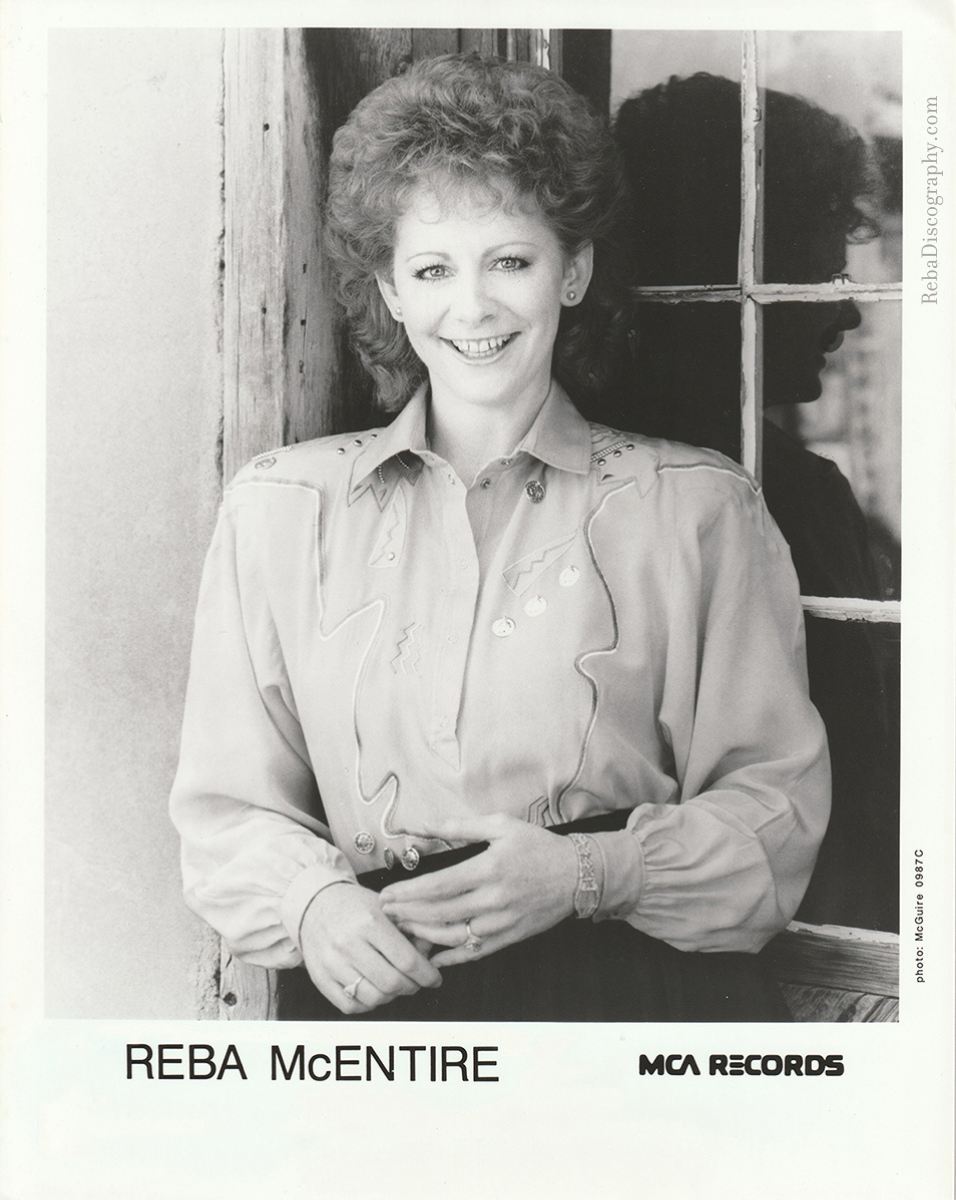
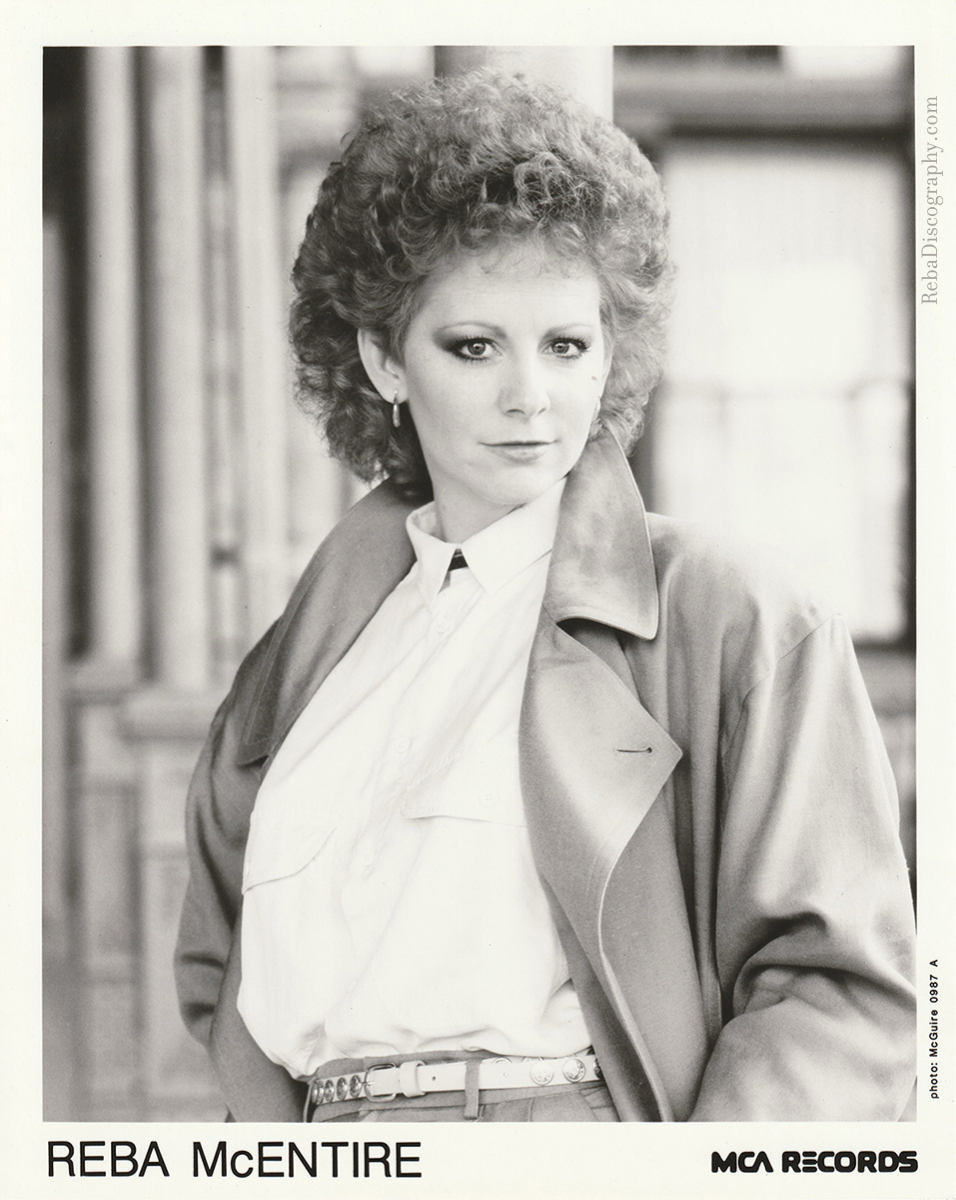
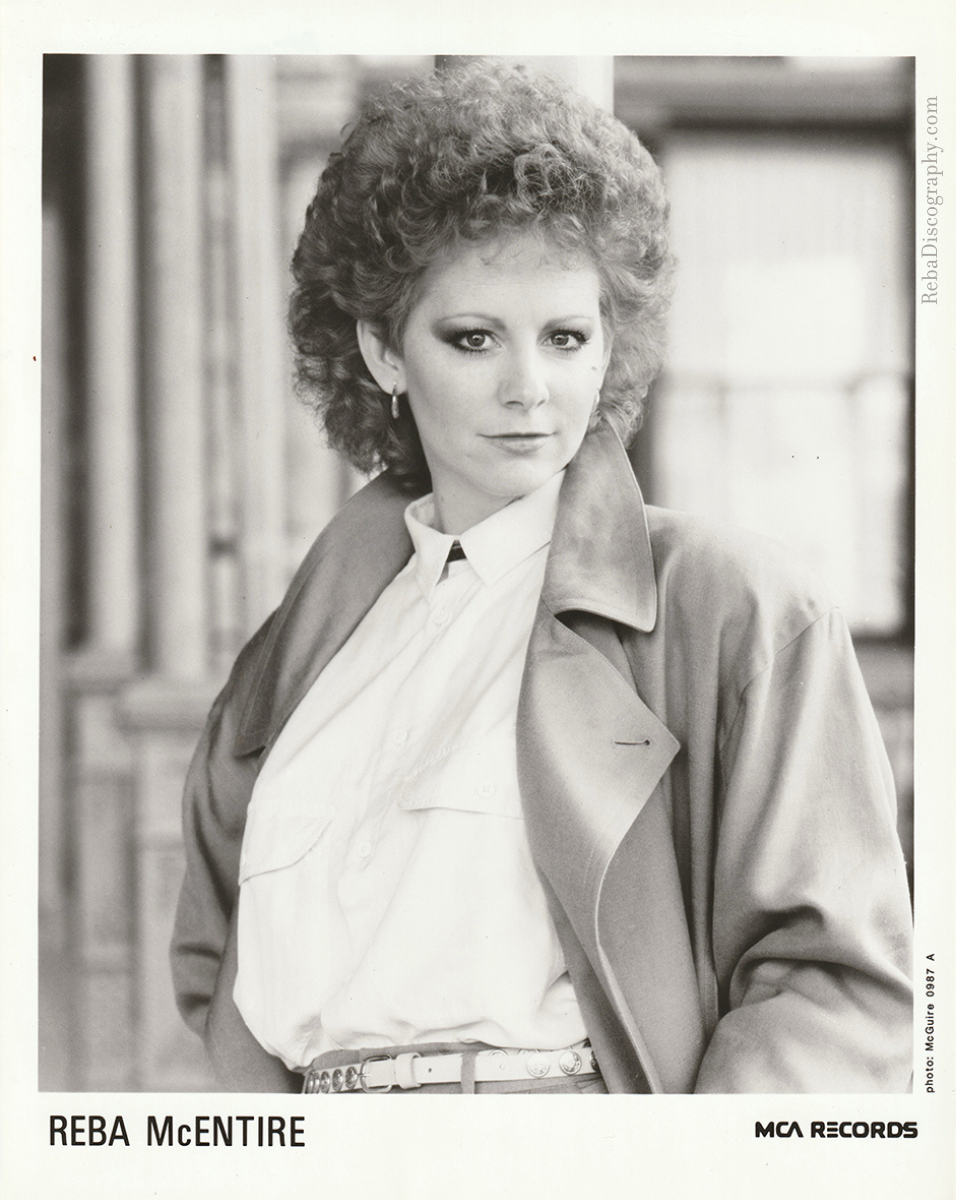
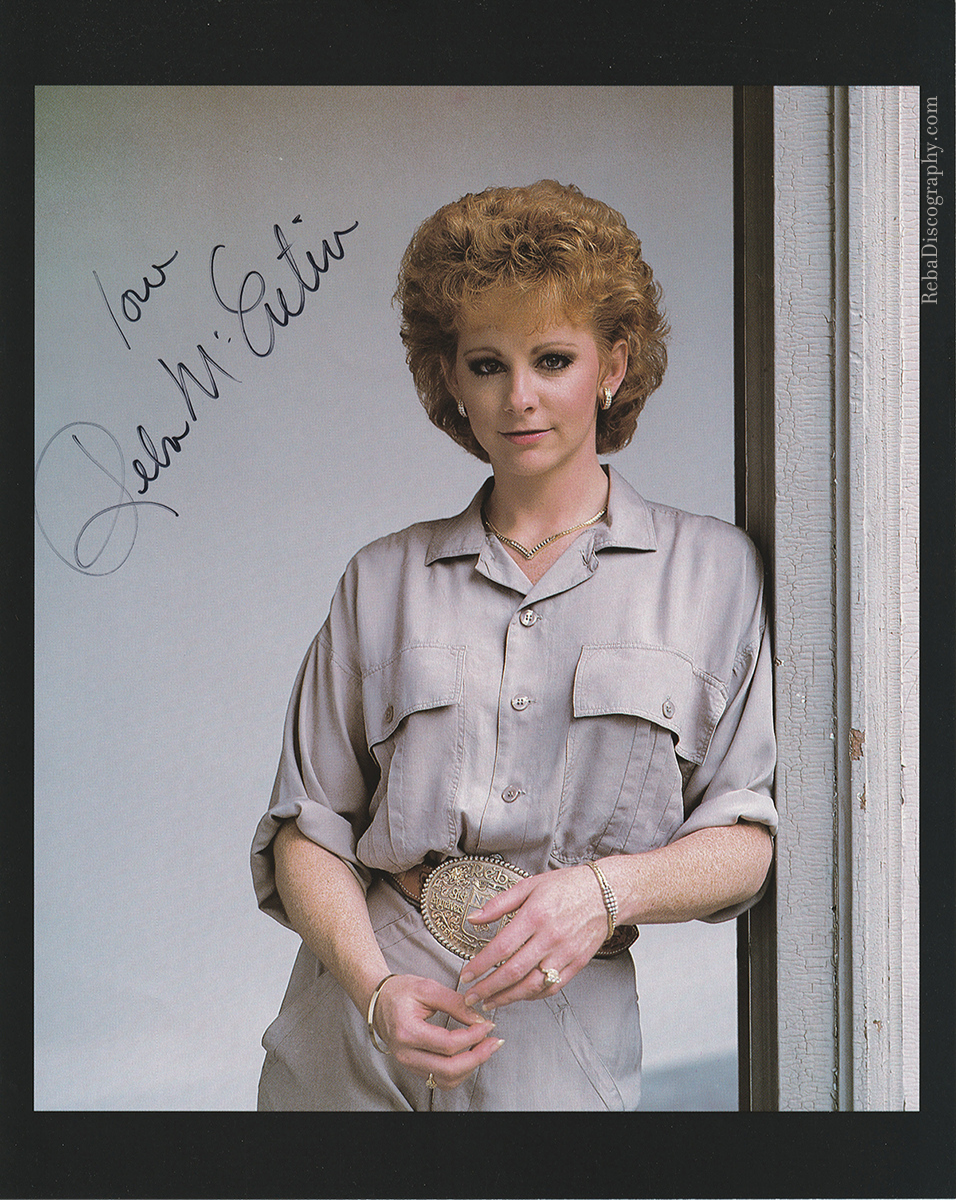
Music Videos
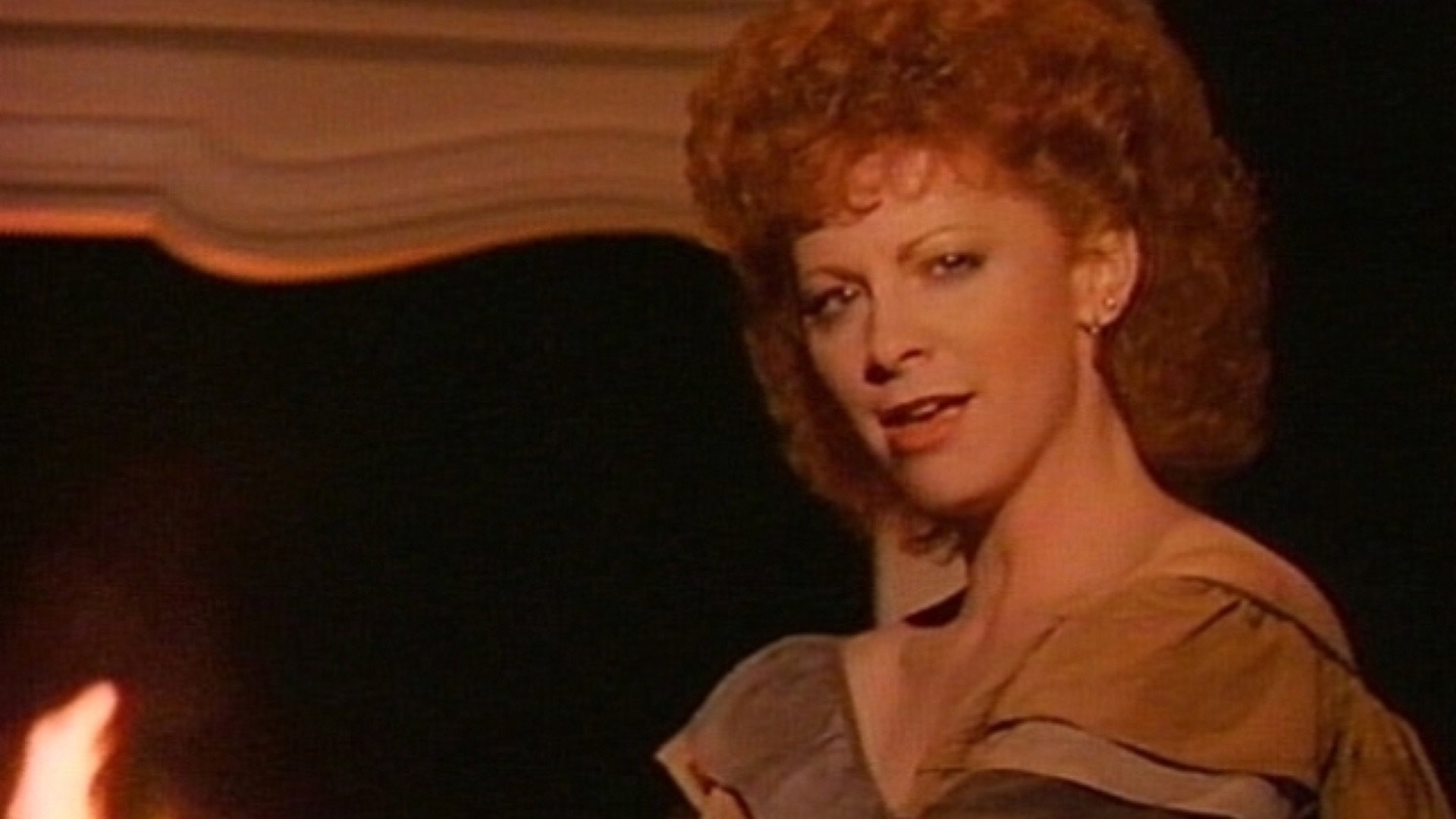
“The Last One To Know”
Directed by Jeff Schock
Biography
Reba McEntire has reached that happy point in her artistic life where she can see the world dividing between the millions who love her music and the millions more who surely will once they hear it. This is no glib appraisal, either. Rapidly growing record and ticket sales prove it. And that proof is underlined by the fact that within the past five years, she has won every major award the music industry offers.
Not only has she become one of country music’s most-awarded entertainers, McEntire is also its bestselling solo female recording act. Her Greatest Hits album is gold, and at the top of the Billboard charts, and the two MCA albums before that—Whoever’s In New England and What Am I Gonna Do About You—have each sold well over 500,000 copies. By any standard, these are impressive figures, but they are doubly so in a form of music that is routinely dominated by males and group acts.
While record sales confirm the size of an artist’s appeal, they don’t explain the source of it. In McEntire’s case, the explanation lies in two equally vital features: her remarkably urgent voice, and her unerring ability to pick, write and record the best songs.
When the Oklahoma-born McEntire broke into the charts in 1976—and for several years after—it was apparent that she was searching for a distinctive voice. She finally found it in her own natural one. Pruned of its beginner’s restraint and its hodge-podge of stylistic influences, McEntire’s voice quickly developed into the instantly recognizable instrument it is today.
Although her voice is uncompromisingly country in accent and inflection, it is almost operatic in its emotional force and precision. Fans have known this all along, but millions more discovered it during the 1987 Academy of Country Music television special. Near the end of the show, McEntire stood alone in the spotlight—with not even a guitar to back her—and sang a radiantly yearning version of “Sweet Dreams.” It was the highlight of the evening.
Those who were swept away by the stark beauty of that moment will find their enthusiasm renewed by the power of McEntire’s newest MCA album, The Last One To Know. It is the strongest one of an increasingly strong series. The production is clean, crisp and detailed, with the music deferring to her voice, rather than competing with it. More significant, though, are the songs that seize the mind and hold the heart. They are like fine short stories—some droll, some doleful, all illuminating those moments in life when emotions are close to the boiling point. The title cut and first single, for example, is the broken, puzzled outcry of a woman suddenly abandoned.
“Someone Else” moves along in calm reassurance of a jealous love, while “What You Gonna Do About Me” gives a tearful, child’s-eye view of a family in fragments. Two of the most moving songs are social as well as personal statements. “The Stairs” treats wife abuse not just as a quick assault on the body but also as the slow killing of the soul. In “Just Across The Rio Grande,” a young Mexican father marvels angrily at a glittering America that’s only a stone’s throw—and light years—away.
There are lighter stories in the album, ranging from the Western swing irony of “I Don’t Want To Mention Any Names,” which attempts to shoo off a man-stealer, to “Love Will Find Its Way To You,” a resolutely upbeat number that’s part motivational, part how-to. McEntire’s vocal treatments of these themes are studies in sincerity.
Even before she left Mercury, her first label, in 1983, McEntire had begun laying claim to some of the best songs written on Music Row—songs whose lyrics demanded attention and whose viewpoints demanded respect. So sensitive was she in her interpretations that “Today All Over Again,” “I’m Not That Lonely Yet,” “There Ain’t No Future In This” and others were instantly transformed into “Reba McEntire songs,” ones that other singers could cover only at their own peril.
At MCA, McEntire has continued to cut hits that ask as much of the mind as of the heart, among them “He Broke Your Memory Last Night,” “Somebody Should Leave” and “Have I Got A Deal For You.”
For the past three albums, the Grand Ole Opry star has served as her own producer, in league with MCA chief Jimmy Bowen, a position that gives her added influence in choosing material. Out of this pairing have come such No. 1 singles as “One Promise Too Late,” “Whoever’s In New England,” “Little Rock” and “What Am I Gonna Do About You.” Whether light- or heavy-hearted, the songs McEntire puts her stamp on are always about feelings and situations that matter for the long run. And there is no predictable and prefabricated “woman’s point-of-view” to them. The conditions in the songs create their own proper dramatic responses, and McEntire voices them with an unwavering sense of conviction.
A fortunate side-effect of doing her first music video (for “Whoever’s In New England”) was that McEntire uncovered some superb natural acting instincts. These were vividly displayed in her second video, “What Am I Gonna Do About You.” Besides turning the song itself into an enduring document about loss, McEntire also created a subtle video representation of that loss—portraying it not as gloomy, zombie-like depression, but as the ever-apprehensive, slightly distracted state of one who has to smile and go on with life.
There is little doubt that McEntire’s fine acting—and the exposure it earned her videos—made her record sales boom. Her newest experimentation in video—“The Last One To Know”—is a threading together of concept and concert images.
The convergence of all her talents and hard work has won McEntire all manner of industry honors: the Academy of Country Music’s top female vocalist award and top country video awards, 1987; a Grammy for best country vocal performance by a female, 1987; and the Country Music Association’s entertainer of the year trophy, 1986, and its female vocalist of the year honors in 1984, 1985, and 1986.
In a business that too frequently looks to gimmicks and slogans to sustain itself, McEntire is steadfastly old-fashioned. She has learned—and the acclaim proves it—that the big payoffs always come from artistic excellence.
Reba McEntire fits well into a line of pace-setting women in country music that runs from Patsy Montana and Kitty Wells to Patsy Cline, Loretta Lynn, Tammy Wynette, and Dolly Parton. But McEntire is a true stylist who takes no one else’s place. For she has made a place of her own.
8/87
MCA RECORDS